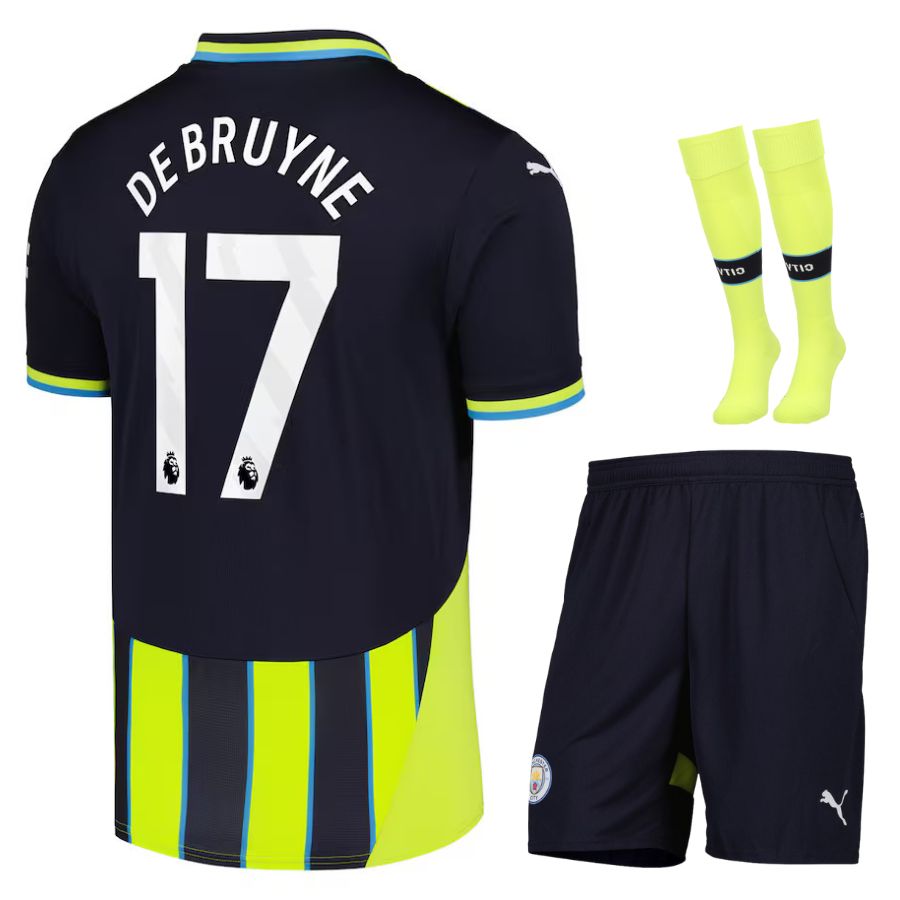
Football uniforms have made a huge leap from their humble initial. What was initially a basic dress for athletes to identify themselves on the field has now transformed into a major part of football's cultural heritage, reflecting teams' identity, technology and fashion. This article examines the development of football uniforms through the years, while highlighting several of the most important variations and developments that have been made, focusing on the Kit Manchester City 2024, Jersey Manchester City 2025 as well as the Shirt Manchester City 2024 2025.
The Early Days: Simplicity and Functionality
In the beginning of football, uniforms were more functional and style. Footballers wore simple cotton shirts that had long sleeves and thick woolen shorts. These were typically uncomfortable and restrictive. The designs and colors were typically simple and a lot of teams wore without any distinctions to distinguish them beyond their team's colors. The fabric used in early football kits was thick, and the material did not let sweat out making players feel hot and weighed down on the field.
1920s to 1950s: The Rise of Team Identity
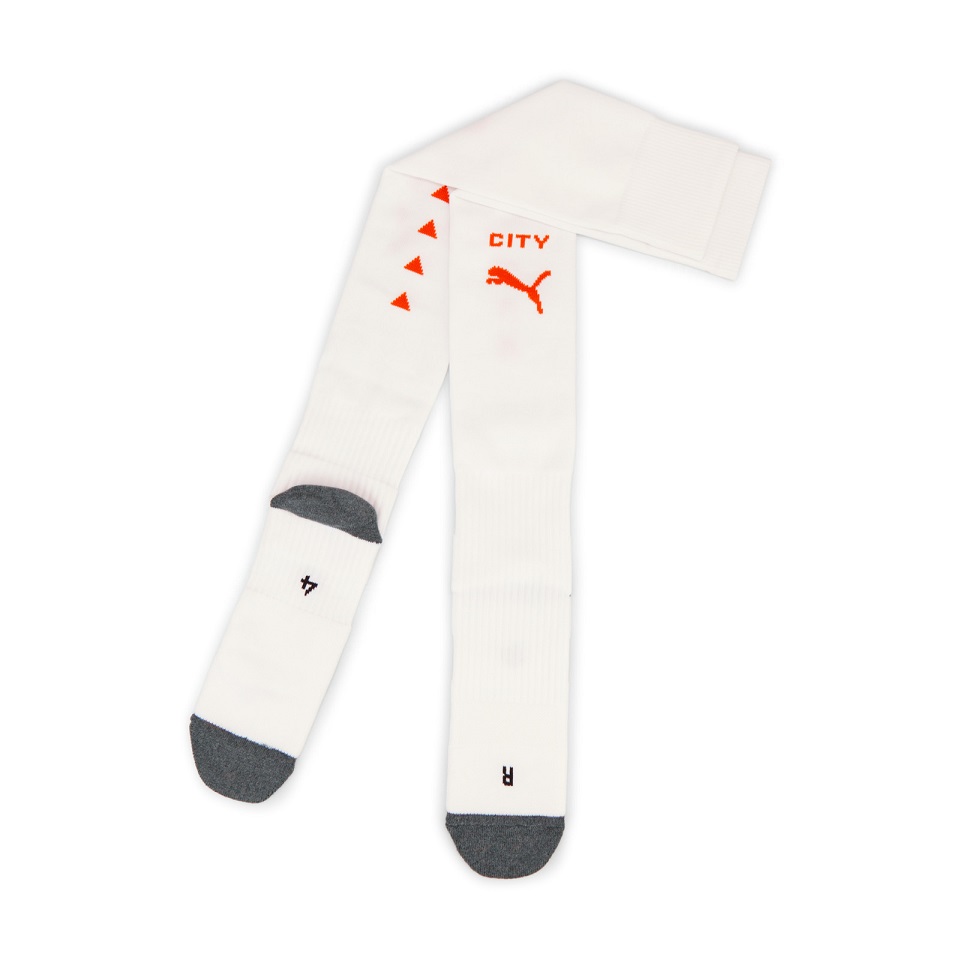
In the 1920s, football uniforms began to take on more distinctive identities for teams, with clubs incorporating their old colors and logos in their uniforms. At this time, the thick wool shirts and shorts were replaced with lighter materials however they remained big and bulky when compared with today's standards. As the sport gained popularity, teams like Manchester City began to develop their own recognizable looks, with their distinctive sky blue shirts being a symbol of their identity.
The 1950s marked a significant change as teams began to adopt synthetic material, offering more convenience and flexibility for players. Long-sleeved shirts were still in use, however the fabric began get better, becoming lighter and more breathable. But it was not as technologically advanced like the materials of today.
The 1960s to 1980s: Innovation and Commercialization
In the 1960s, synthetic fibres were introduced, such as polyester and nylon into football uniforms. These materials were more lightweight, resistant to abrasion, and more breathable which resulted in improved comfort for players. In addition, it was during this time when football shirts began to be branded with player's numbers on the back. This was an important step in identifying football players.
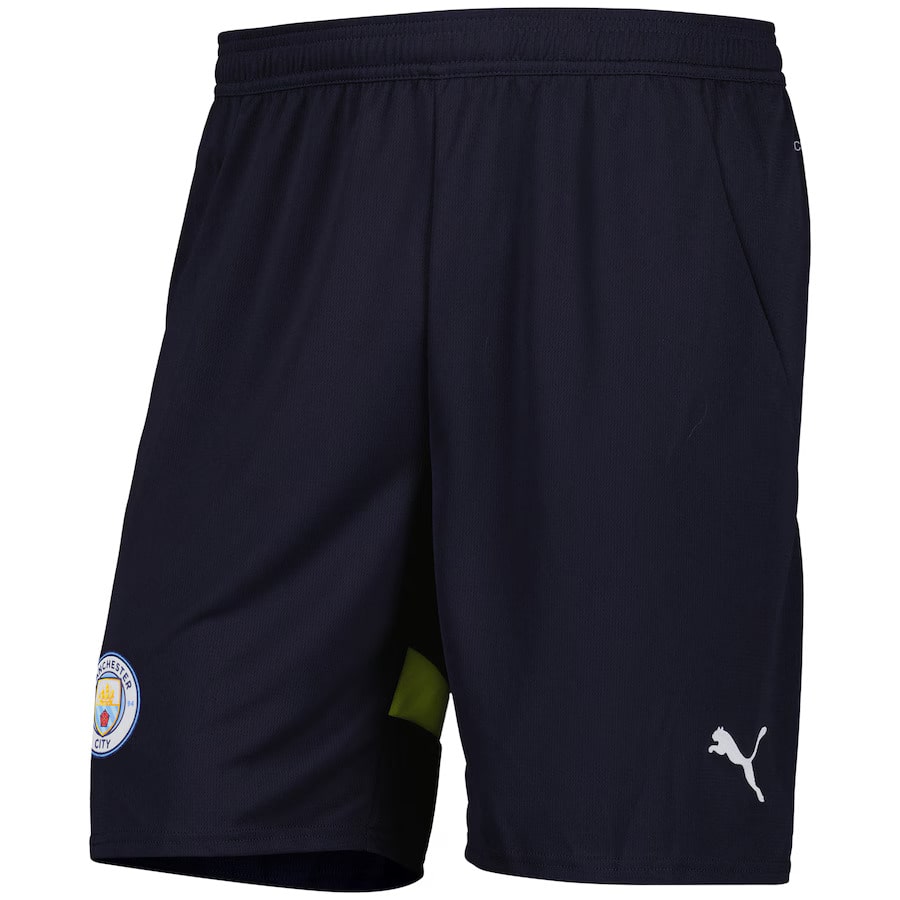
In the 1970s, technological advancements in the field of fabric enabled teams to wear uniforms that were more fitted, and designs got more complex. Stripes, logos and other designs began appearing on teams' kits in order to differentiate themselves from each other. Manchester City's uniforms, for example, showcased bold designs during this time, with vibrant accents and intricate details that reflected the increasing commercialization of the sport.
By the 1980s, football kits became an even more important commercial product, with logos for sponsors prominently displayed on shirts. This year's World Cup was a turning event in the fashion of global football and fashion, as teams such Argentina and Italy showcased their bold new designs. These years marked the beginning of a shift towards an increasingly commercial and professional football, and the uniforms reflected that change.
The 1990s to 2000s: Comfort and Performance
The 1990s and the early 2000s saw huge advances in both technology and design. Jerseys became less bulky and breathable due to the increase in use of polyester blends as well as high-tech fabrics. Teams started to concentrate on performance and less on aesthetics, including elements that enhanced mobility and comfort on the field. For instance, Kit Manchester City 2024 is designed with the latest performance technology that helps players perform at their best, making use of moisture-wicking fabrics to keep players dry during intense games.
The 1990s also witnessed an increasing trend of original and vibrant designs, with bold patterns and color combinations that made clubs stand out. The fans of football were more involved in their teams' appearances and their jerseys began become a kind of merchandise that fans could wear outside of the stadium. This is why jerseys were typically designed with fashion in mind. appealing to fans that wanted to show their team's colors with pride, both on and off the fieldJersey Manchester City 2025 data->.
The 2010s to Present: Sustainability and High-Tech Fabrics
In recent the past few years, football jerseys have attained new levels of sophistication. The introduction to fabrics that regulate the body's temperature, stretch as you move and wick sweat away has greatly enhanced player comfort and performance. Recycled materials has also become an important consideration on the part of many clubs, adopting sustainable techniques to make their gear more eco-friendly. The Jersey Manchester City 2025 is a prime example. It is constructed from sustainable materials that reflect the trend for eco-conscious sports clothing.
The style of modern football kits, including the Shirt Manchester City 2024 2025 The design is sleek and refined with a more athletic shape that decreases drag while allowing players to move freely. New design elements, like intricate patterns, sublimated graphics and subtle textures have brought depth and style to kits without sacrificing functionality.
In addition, modern football kit are designed for comfort both on and off the field. The integration of performance elements in everyday clothes has led to the development of lifestyle and fanwear products which are just as stylish as they are functional. Fans can wear Kit Manchester City 2024 not just on match days, but also as a part of their daily outfit.
Key Trends in Football Uniforms Today
- Performance fabrics The most current jerseys that include the Jersey Manchester City 2025 is made of high-tech materials that help wick moisture, regulate temperature, and are stretchy for comfort.
- Eco-Friendly Designs Sustainability is a rising concern and many clubs are incorporating recycled materials into their kits and reducing their impact on the environment.